What changes between property types, and what you need to know before you buy
Buying an apartment does not remove the need for a building and pest inspection. In Townsville, termites, moisture damage, coastal corrosion, and waterproofing failures can affect all types of dwellings. The difference is where those risks occur, what can be inspected, and what sits outside the inspection scope.
Do Apartments Need Building and Pest Inspections in Townsville?
Yes. Apartments still require a building and pest inspection, but the scope is significantly different. A standard apartment inspection covers your individual lot only. Houses are assessed more broadly, including roofing, subfloors, and site drainage. Common property in apartment complexes generally falls outside the scope of a standard inspection.
Key Takeaways
- Apartments still require building and pest inspections, even if the building is strata-managed.
- Standard apartment inspections are typically limited to the interior and immediate exterior of the lot. Areas not directly accessible to the inspector are not examined.
- House inspections generally cover more area, including roofing, subfloors, external walls, and site drainage.
- Townsville’s tropical climate increases risks relating to moisture, corrosion, mould, and termites across all property types.
- Common property areas in apartment complexes may require a separate special-purpose inspection.
- A building inspection is not a warranty. It covers only what is readily accessible and visible at the time of inspection.
- Buyers should read the limitations and exclusions in the report before making any decisions.
Why Inspections Matter for All Property Types
The condition of a property is not always visible from a walkthrough. Cosmetic presentation can look clean while structural or moisture-related problems sit behind walls, under floors, or in roof spaces.
Both apartments and houses can have:
- Hidden structural damage
- Moisture ingress and mould growth
- Pest activity, including termites
- Defects from poor workmanship or deferred maintenance
A pre-purchase inspection gives you an independent assessment of the property’s condition before you commit to the purchase. That information is useful for negotiating with vendors, budgeting for repairs, or deciding not to proceed at all.
Key Differences Between Apartment and House Inspections
The table below compares what is typically included in a building and pest inspection for an apartment versus a standalone house in Townsville. The sections below explain these differences in more detail.
| Area | Apartment / Unit | Standalone House |
|---|---|---|
| Inspection scope | Interior and accessible exterior of the lot only | Interior, exterior, roof, subfloor, outbuildings, drainage |
| Roof access | Usually outside the scope of an individual lot inspection | Assessed where safely accessible |
| Subfloor | Not usually applicable to an individual lot inspection | Included where minimum clearance is met |
| Common property | Excluded — may require special-purpose inspection | Not applicable (no shared ownership) |
| Strata records | Essential to review alongside the report | Not applicable |
| Main pest risk | Termite activity in concealed building elements, moisture-related issues, shared structures | Termites in timber framing, subfloors, landscaping and external structures |
| Key defect type | Waterproofing failures, concrete corrosion | Termite damage, roof and drainage issues |
Scope of Inspection
The most significant difference is how much of the property we can actually examine.
Apartments and units
For strata-titled properties, a standard inspection is generally limited to the interior of the individual lot and immediately accessible external areas associated with that lot. Areas that typically fall outside this scope include:
- Common property such as shared roofs, lobbies, stairwells and lifts
- External building facades
- Basement car parks and plant rooms
- Shared plumbing or drainage systems
Houses
A standard inspection for a standalone house is more comprehensive. It generally includes:
- Roof exterior (where safely accessible)
- Roof cavity
- Subfloor areas
- External walls
- Site drainage
- Garages and garden sheds
Tip: Attend the inspection in person where possible. It allows us to walk you through findings on the day, answer questions before the written report is produced, and focus on anything specific to your concerns.
Access Limitations
Access restrictions affect both property types, but show up differently.
In apartments, we may not be able to access:
- Roof spaces above the lot
- Service ducts and riser cupboards
- Locked plant rooms controlled by the body corporate
- Structural elements within shared walls
In houses, access can be restricted by:
- Subfloors below the minimum clearance of 400mm high by 600mm wide (as defined under AS 4349.1)
- Items stored against walls or in roof spaces
- Locked outbuildings
- Dense vegetation against external walls
All inspections under AS 4349.1 are limited to what is safely and reasonably accessible on the day. If we cannot access an area, it goes into the report as a noted limitation, but it is not assessed.
Pest Risks
Apartments
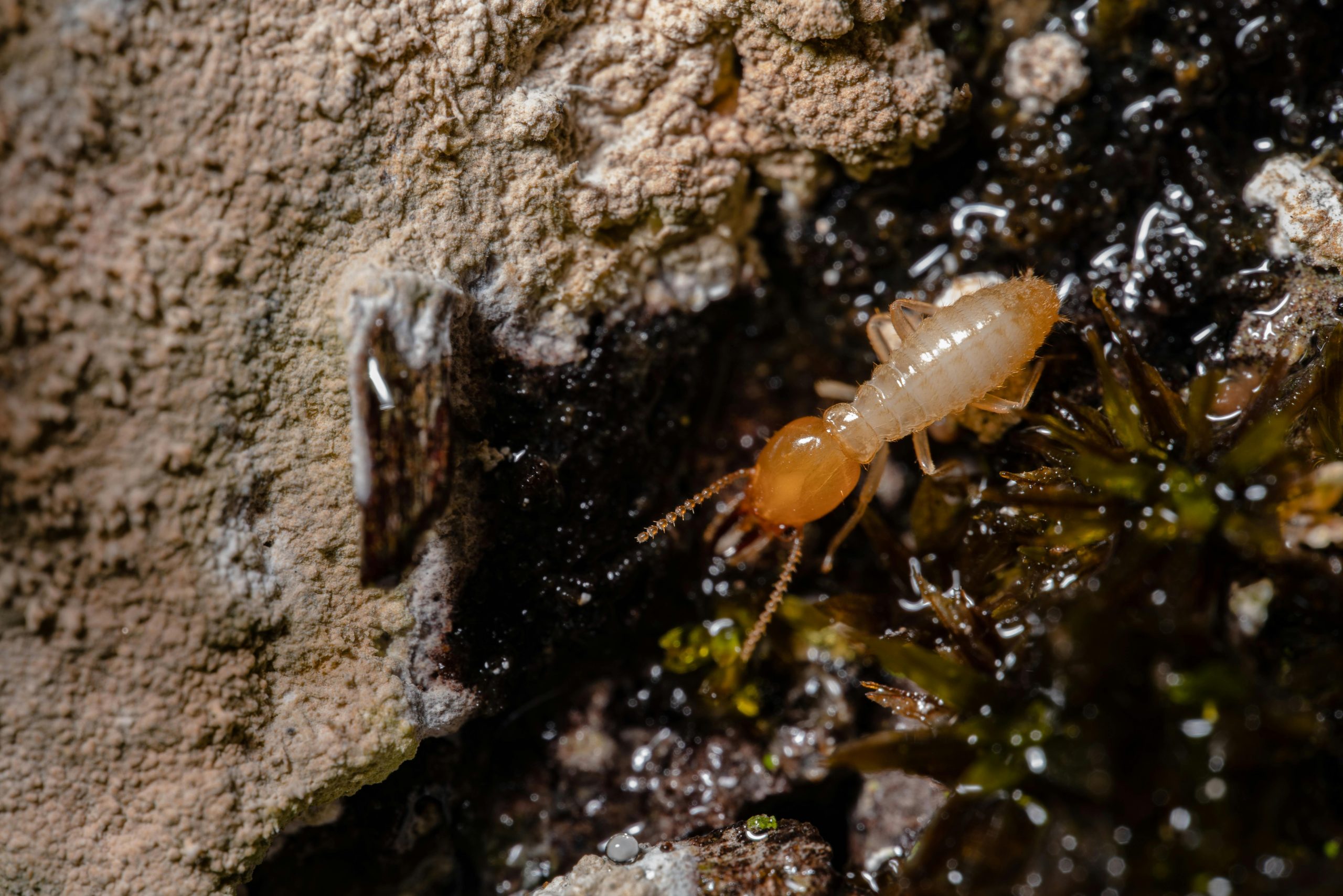
Less direct ground contact does not eliminate termite risk in a unit or apartment. Termite activity can extend through shared structural elements or concealed areas of a complex without obvious signs inside an individual lot. Moisture problems around bathrooms, balconies, and common plumbing areas also create conditions that attract pests.
Houses
Standalone houses have greater exposure to termites, particularly properties with timber framing, subfloor spaces, or established gardens. Moisture from poor drainage, decaying timber, and ground contact all increase the risk.
In Townsville’s climate, termite activity can occur year-round rather than following the seasonal patterns seen in cooler regions. We recommend a combined building and pest inspection for any property type in this region, because the same conditions that drive moisture defects also drive termite risk.
Common Issues Found in Townsville Apartments
Moisture and Waterproofing Problems
Waterproofing failures are among the most common defects we find in Townsville apartments. Balcony slabs, bathroom floors, and wet area membranes degrade over time, particularly in the heat and humidity of North Queensland. Signs include:
- Leaking balconies or water tracking through external walls
- Failed or cracked waterproof membranes in bathrooms and laundries
- Mould growth on walls, ceilings, or around wet areas
- Water staining on ceilings below other lots or common areas
Inspector observation: One issue we regularly see in older Townsville apartment complexes is water entering through failed balcony membranes. By the time it appears as staining inside the unit, the damage is often more extensive than it looks.
Concrete Cracking and Corrosion
Older concrete apartment buildings in coastal or near-coastal areas are vulnerable to reinforcement corrosion. Salt-laden air accelerates the oxidation of steel bars inside concrete. As the steel corrodes and expands, the surrounding concrete can crack and spall. This process is commonly referred to as concrete cancer, although the underlying issue is corrosion of the reinforcing steel within the concrete structure.
Signs to look for include:
- Rust stains on concrete surfaces
- Cracking or flaking of concrete on balconies, columns, or external walls
- Exposed or discoloured reinforcing steel
Ventilation and Humidity Issues
Townsville’s humidity can concentrate inside apartments with poor airflow. Without adequate ventilation, condensation builds up on walls and around windows. Over time this leads to mould growth, surface deterioration, and damage to internal finishes.
Shared Building Defects Affecting Your Lot
Roof leaks above common areas can track through to individual lots. Blocked or inadequate drainage in common areas can cause water to sit against external walls. These defects may not be visible during a standard inspection of your unit, but they can have a direct impact on your property.
This is why reviewing strata records alongside the inspection report matters. The body corporate’s maintenance history and any outstanding defect reports can reveal issues a one-off inspection of your lot cannot detect.
Common Issues Found in Townsville Houses
Termite Damage
Termite damage can be one of the most costly issues found in Townsville houses, and one of the easiest to miss without a proper inspection. Termites often consume timber internally first, leaving the outer surface appearing relatively intact until damage becomes advanced.
Common areas of concern include:
- Subfloor timber framing, particularly in low-clearance or damp subfloors
- Wall frames and internal structural members
- Historical termite damage that was treated but not repaired
- Garden sleepers, fencing, and landscaping timbers close to the structure
Inspector observation: We see treated-but-unrepaired termite damage on a regular basis in Townsville houses. The colony has been dealt with, but the compromised timber was left in place. Buyers often do not realise the extent of the damage until the timber is physically assessed.
Roof and Storm Damage
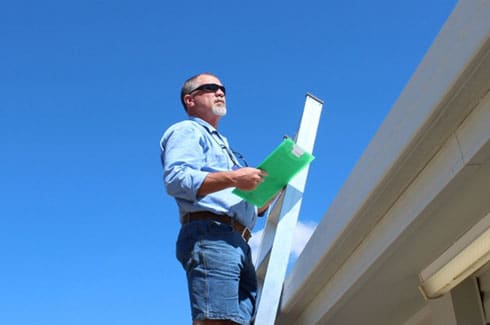
Townsville’s cyclone history means roofs take real punishment over time. On inspections, we check for:
- Damaged, lifted, or missing roof sheets and tiles
- Corrosion on metal roofing, gutters, and flashings
- Roof framing movement or damage at fixings
- Sarking and insulation condition in the roof cavity
A roof that looks intact from the street can still have problems at the connections, under the surface, or in the cavity. We assess what is safely accessible from roof level and from inside the roof space.
Foundation and Drainage Problems
Townsville’s soils include reactive clays that expand and contract with moisture changes. Combined with periods of high rainfall and poor drainage, foundation movement is not uncommon.
Signs include cracking patterns in walls and ceilings, sticking doors and windows, and uneven or sloping floors. Not all cracking is structural, but we assess whether the pattern and location warrant further investigation.
Timber Rot and Moisture Damage
High humidity, heavy seasonal rainfall, and heat take a toll on external timber. Fascias, eaves linings, decks, pergolas, and external joinery are all vulnerable. Water ingress around windows and doors is also common in older properties. Left unaddressed, surface rot can spread into structural members.
Understanding Strata and Common Property Limitations
A building inspection tells you about the condition of your lot. Strata records tell you about the history of the building. Both matter, and neither replaces the other.
When you buy an apartment, you buy a lot within a strata scheme. You own your lot. The body corporate manages and maintains common property, which can include the roof, external walls, lifts, driveways, stairwells, and shared plumbing.
A standard pre-purchase inspection covers your lot. It does not cover common property. This matters because problems in common areas can still affect you financially. As a lot owner, you contribute to the body corporate through levies, which fund ongoing maintenance and major repairs.
Before purchasing a unit or apartment, it is worth reviewing:
- Body corporate records and meeting minutes
- The sinking fund report and current balance
- Any outstanding defect notices or disputes
- Records of major repairs or current works
If common property defects are a concern, a special-purpose inspection can be commissioned to cover the building beyond your individual lot. This is particularly worth considering for older complexes or buildings with a known maintenance history.
Inspector observation: It’s common for buyers to assume that strata management means defects have already been addressed. That’s not always the case. Outstanding maintenance items, deferred repairs, and body corporate disputes can all become the new owner’s problem.
What a Standard Building Inspection Does Not Cover
Both apartment and house inspections operate within a defined scope. The following items are excluded from a standard building inspection report:
- Minor cosmetic defects such as small paint chips or surface scratches
- Areas that are hidden, obstructed, or not safely accessible
- Electrical systems
- Plumbing and gas systems
- Air-conditioning equipment
- Swimming pools, spas, and water features
- Built-in appliances
- Asbestos identification (requires a separate asbestos assessment)
- Toxic mould testing
- Compliance with current building codes or regulations
- Pest inspections, unless combined with a building inspection
The report is not a warranty against future defects.
Questions Buyers Should Ask Before Purchasing
Whether you are buying a house or an apartment, these questions are worth raising with the agent or vendor:
- Has the property had previous termite treatment? If so, when, and is there a warranty in place?
- Are there known waterproofing issues, particularly around bathrooms, balconies, or the roof?
- Have major repairs been completed recently, and are there records of the work?
- Is there a history of flooding, stormwater intrusion, or cyclone damage?
- For apartments: are there any ongoing body corporate defect disputes or scheduled major works?
- Has the building experienced concrete corrosion or spalling?
- Are any renovations or extensions properly approved and permitted?
Why Local Experience Matters in Townsville
Inspecting property in North Queensland is not the same as a building inspection in Brisbane or Sydney. The building environment is different, the risks are different, and the way defects present is different.
We understand how the tropical climate accelerates moisture-related deterioration, how termite species in this region behave, and which construction methods common to North Queensland homes are most likely to cause problems over time.
For buyers relocating from interstate, this local context matters more than it might seem. A property inspected in the dry season can look very different to the same property assessed after a wet season. Cyclone-related roof movement is not always obvious unless you know where to look. These are the things that only come from doing this work in Townsville, not from applying a generic checklist.
Conclusion
Apartments and houses each come with their own inspection considerations. Houses typically have broader inspection coverage, more direct termite exposure, and greater risk from roofing and drainage issues. Apartments present different challenges: common property exclusions, waterproofing failures, and the need to review strata records alongside the inspection report.
Neither property type should be purchased without appropriate inspections. Knowing what we can and cannot access, and what falls entirely outside the scope, gives you the right questions to ask before you sign anything.
Book a combined building and pest inspection with Twin Cities Building & Pest Inspections before you commit to any property purchase in Townsville. Call (07) 4723 2770 or book online.
Frequently Asked Questions
Do apartments need termite inspections in Townsville?
Yes. Apartments generally have fewer direct ground contact risks than houses, but termites can still enter through concealed areas, shared structures, plumbing penetrations, and moisture-affected building elements. A timber pest inspection is worth commissioning alongside a building inspection for any apartment purchase in Townsville.
What does a standard apartment building inspection include?
A standard inspection covers the interior and any readily accessible exterior areas of the individual lot. Common property is generally not included.
Are common property areas covered in apartment inspections?
Usually not. Shared areas such as roofs, lifts, basements, and external building facades fall outside a standard inspection under AS 4349.1. A special-purpose inspection may be commissioned to cover these.
Are houses more likely to have termite problems than apartments?
Standalone houses generally have greater termite exposure, particularly those with timber framing, subfloor areas, or established gardens. Termite activity can affect units and shared building structures too.
Can a building inspection detect every issue in a property?
No. We can only assess what is visible and physically accessible at the time of the visit. Anything hidden behind walls, under floors, or in areas we cannot safely reach will not be examined.
Should I inspect a newly built property?
Yes. Newer properties can have construction defects, incomplete works, or waterproofing issues that are not visible to the untrained eye.
What should I review alongside the inspection report when buying an apartment?
Body corporate records, sinking fund reports, maintenance history, and any records of past or current building defects.
Do building inspections include repair cost estimates?
No. The report identifies defects and risks but does not provide pricing for repairs. You will need to obtain separate quotes from licensed tradespeople.