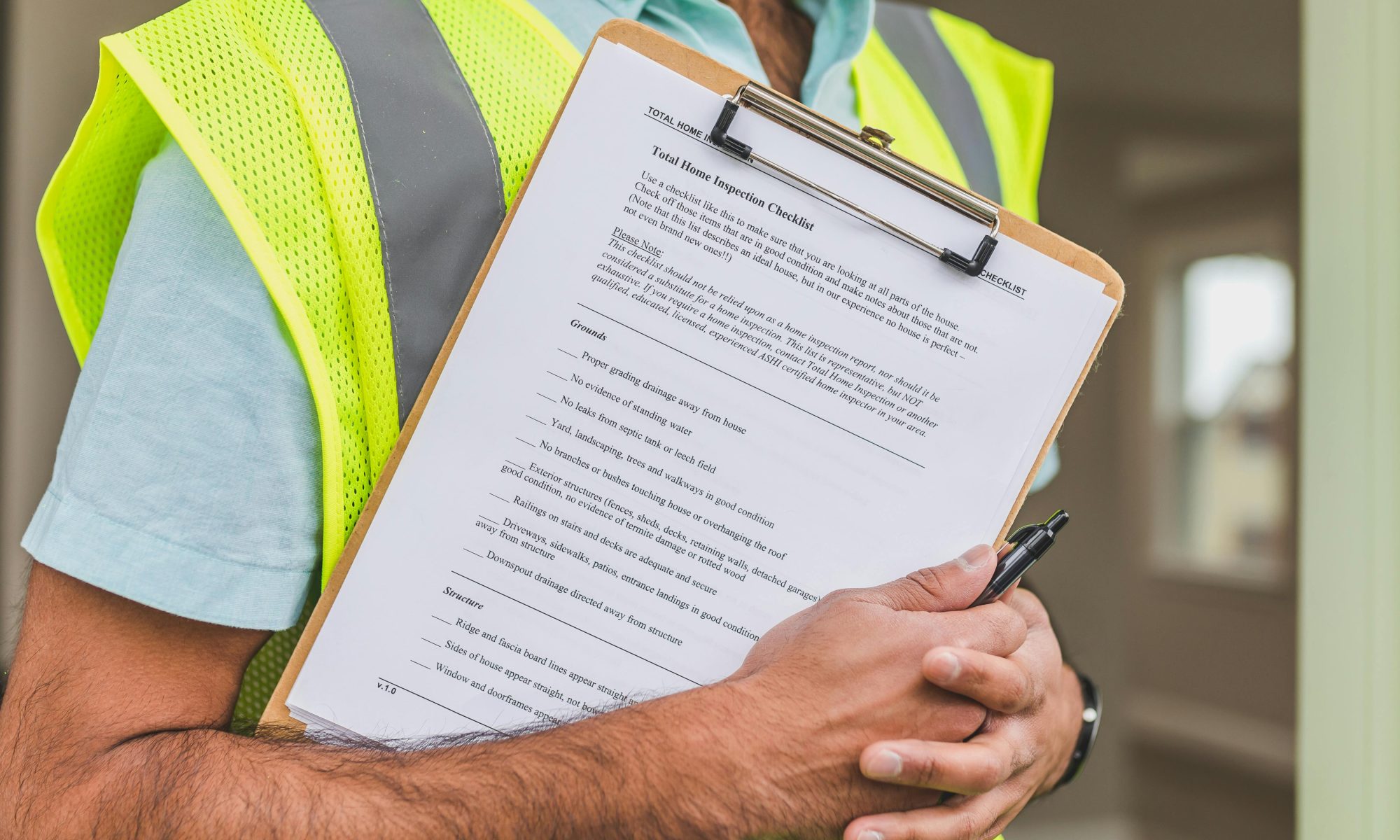
What it covers, what it doesn’t, and how to use it
Conducted in accordance with Australian Standard AS 4349.1
Buying a property is one of the biggest financial decisions you’ll make. A pre-purchase building inspection gives you an unbiased, professional assessment of the property’s condition before you sign a contract so that you can make an informed decision with confidence.
What Is a Building Inspection Report?
A pre-purchase building inspection report is a written account of a property’s condition, carried out before a contract is signed. Conducted by a licensed building inspector, the report identifies major structural defects, minor defects, and conditions such as wall movement, cracking, safety hazards, mould, and moisture damage.
Important: The inspection report is not a warranty against future defects and does not include cost estimates for any repairs.
What a Standard Building Inspection Report Covers
A Standard Property Inspection Report deals only with the detection, or non-detection, of:
- Structural Damage – significant impairment to the integrity of the building’s primary elements (foundations, load-bearing walls, beams, columns, floor and roof framing).
- Conditions Conducive to Structural Damage – deficiencies or environmental factors likely to lead to structural issues.
- Significant Defects – issues in secondary elements (non-load-bearing walls, ceilings, windows, doors) or finishing elements (fixtures, fittings, finishes) that require substantial repairs or urgent attention.
Scope of Inspection
Inspections are based on readily accessible areas, including roof spaces (minimum 600mm x 600mm access) and subfloor areas (minimum 400mm x 600mm access).
Visual examination of surfaces and functional testing of accessible elements (doors, windows, taps, shower recesses, tiles) may be included. Accessible areas examined include:
- Interior and exterior of the building
- Roof space
- Garage, carport and garden shed
- Separate laundry or toilet
- Small retaining walls (non-structural)
- Steps, fencing, paths and driveways
- Roof exterior (subject to health and safety conditions)
- Under-floor space
Special-purpose inspections are required for items outside this scope, such as strata common property, pools, or mechanical and electrical systems.
| Tip: It is recommended that you attend the inspection in person. Being present allows the inspector to walk you through their findings on the day, show you any areas of concern, and focus extra attention on anything specific you would like examined. |
What Is Excluded from a Standard Inspection
A standard building inspection report has a defined scope. The following items are not included and require separate specialist assessments:
- Inaccessible areas: Anything not readily accessible to the inspector will not be examined. This includes areas covered by walls, ceilings, or large furniture.
- Home appliances: Built-in appliances such as ovens and air-conditioning units are not covered in a standard inspection.
- Home accessories: Alarm systems, smoke detectors, and sprinkler systems are not included and should be checked separately.
- Fireplaces, pools and saunas: These require a specialised inspection and are not part of the standard report.
- Building code compliance: The report does not assess whether a property complies with current building codes or regulations.
- Land assessment: The inspection does not cover the land itself and will not comment on landslide, erosion, or flooding risks.
- Size and layout: Inspectors do not assess whether the layout suits your needs or whether furniture will fit.
- Repair cost estimates: The report identifies issues and makes recommendations, but does not include pricing for repairs.
Combined Building & Pest Inspections
It is highly recommended to combine your pre-purchase building inspection with a termite and pest inspection. The pest inspector examines both interior and exterior areas for past and potential pest issues, including termite activity. The building inspector simultaneously assesses building elements and structural integrity to identify defects and potential issues.
Combining both inspections gives you a comprehensive picture of the property’s condition and can save you time and money.
Find out more about a combined building and pest inspection here.
How to Read Your Report
Generally, you will receive your detailed building inspection report within 24–48 hours of the inspection being completed. Reports are delivered directly to you and, if required, to your solicitor.
The report is written in plain language and clearly outlines:
Summary Section
Provides an overview of any structural damage, conditions conducive to structural damage, and significant defects. Highlighted areas may require urgent attention or specialist follow-up.
Detailed Findings
Breaks down primary elements (foundations, structural walls, beams, columns). Secondary elements and finishing elements are assessed for significant defects visible at the time of inspection.
Recommendations
Immediate actions, specialist referrals, and preventative maintenance suggestions. Recommendations are not repair instructions or cost estimates.
Glossary / Terminology
Explains terms such as “minor defect,” “major defect,” and “urgent repair.” Understanding these terms is important for correctly interpreting the severity of any findings.
The report is produced for the named client only. Third parties cannot rely on the findings, so make sure the correct person or entity is named at the time of booking.
Limitations of the Report
There are some important limitations to what a standard building inspection report will cover:
- The inspection is not a warranty or insurance policy against future problems.
- Obstructions (furniture, stored items, insulation, decking, vegetation) may hide defects.
- Weather conditions and recent building use (e.g., water in showers) can affect the detection of damp or leaks.
- Inspections do not cover asbestos-containing materials unless specifically requested.
- Reports are produced for the client’s use only; reliance by third parties is not covered.
- Urgent implementation of recommendations is advised. Failure to act may limit your ability to seek recourse.
Using the Report to Make Decisions
If You’re Buying a Property
Use the report to identify risks before you commit. Major defects can be used to negotiate repairs with the vendor, request rectification before settlement, or factor remediation costs into your offer price.
For Ongoing Maintenance
Inspection reports are useful tools beyond the purchase stage. The identified risks and recommendations can help you prioritise maintenance and address minor issues before they become costly structural problems.
Termite Risk in North Queensland
Termite risk in Townsville and the surrounding areas is extremely high due to the tropical climate. TCBPI recommends combining your building inspection with a pest inspection for any property purchase, and scheduling annual pest inspections as an ongoing measure. Early detection is the most cost-effective form of termite management.
Conclusion
A Standard Property Inspection Report is an essential tool for understanding the structural condition and significant defect risks of any property. Knowing what the report covers, what it excludes, and where its limitations lie means you can use it as it was intended and make informed decisions, not assumptions.
Always act on recommendations promptly. Where items fall outside the report’s scope, engage a qualified specialist rather than leaving questions unanswered.
To arrange a building inspection in Townsville or the surrounding areas, contact Twin Cities Building & Pest Inspections on (07) 4723 2770 or enquire online.
FAQs
Which Australian Standard do your inspections comply with?
All TCBPI pre-purchase building inspections comply with Australian Standard AS 4349.1, which outlines the requirements for residential property inspections.
How quickly will I receive my report?
You will receive your detailed building inspection report within 48 hours of the inspection being completed. The report is delivered directly to you and your solicitor if required.
Does the report include a termite or pest inspection?
No. A standard building inspection does not include termite or pest detection. TCBPI offers combined building and pest inspections, which we strongly recommend for any property purchase in Townsville and North Queensland.
Can I attend the inspection in person?
In many cases, yes. If you would like to attend, simply let our team know when booking, and we will confirm whether this can be arranged. Being present allows the inspector to walk you through findings on the day.
Are you licensed and insured?
Yes. Licensed and fully qualified building inspectors carry out all inspections with extensive experience in the building industry. TCBPI is fully insured.
What areas do you service?
TCBPI services Townsville and many surrounding areas across North Queensland, including Bowen, Charters Towers, Ayr, Cardwell and Ingham. Contact our team to confirm availability for your property’s location.
Does the report include repair cost estimates?
No. The report identifies defects and provides recommendations, but does not include cost estimates for repairs. You will need to obtain quotes from relevant licensed tradespeople separately.
Is the report a guarantee against future defects?
No. The report is not a warranty. It reflects the condition of the property at the time of inspection only. Regular maintenance and periodic inspections are recommended, particularly in Townsville’s tropical climate.