For homeowners in Townsville, the tropical climate constantly tests the durability of their homes. High humidity, heavy rainfall, cyclones, and termite activity all pose hidden threats to structural integrity and long-term property value.
In this article, we’ll explore how Townsville’s tropical conditions can affect your home. From the impact of heat and humidity on timber and metal, to the risks of water damage, storm events, and pest infestations, you’ll gain a clear understanding of potential challenges. We’ll also provide practical strategies for preventing damage, maintaining your property, and safeguarding your investment against the unique demands of living in a tropical environment.
Key Takeaways
- Heat and humidity can warp timber, corrode metals, and encourage mould growth, affecting both structure and health.
- Heavy rainfall increases the risk of rising damp, water penetration, foundation movement, and flooding.
- Cyclones and severe storms threaten roofs, windows, verandas, and outdoor structures, making cyclone-rated materials essential.
- Termites and other pests thrive in warm, humid conditions and can silently damage timber and flooring.
- Proactive maintenance, annual inspections, and using climate-appropriate materials are key strategies to protect your home.
Heat and Humidity
Townsville’s tropical heat and humidity are relentless. Timber, a common building material, expands and warps in these conditions, and can succumb to rot or decay if moisture is allowed to accumulate.
Metal fixtures and roofing materials face accelerated corrosion, which may compromise structural fastenings over time. High humidity also encourages mould, which can settle in roof spaces, behind cupboards, or in poorly ventilated areas, damaging finishes and creating health risks.
Homeowners can reduce these effects through strategic ventilation, using treated timber or corrosion-resistant metals, and scheduling regular inspections to detect early signs of damage. For a detailed assessment of how these issues affect your property, consider booking a building inspection in Townsville.
Heavy Rainfall and the Threat of Water Damage
Townsville experiences frequent heavy rainfall, which can lead to rising damp, water penetration into walls and foundations, and flooding of garages or basements.
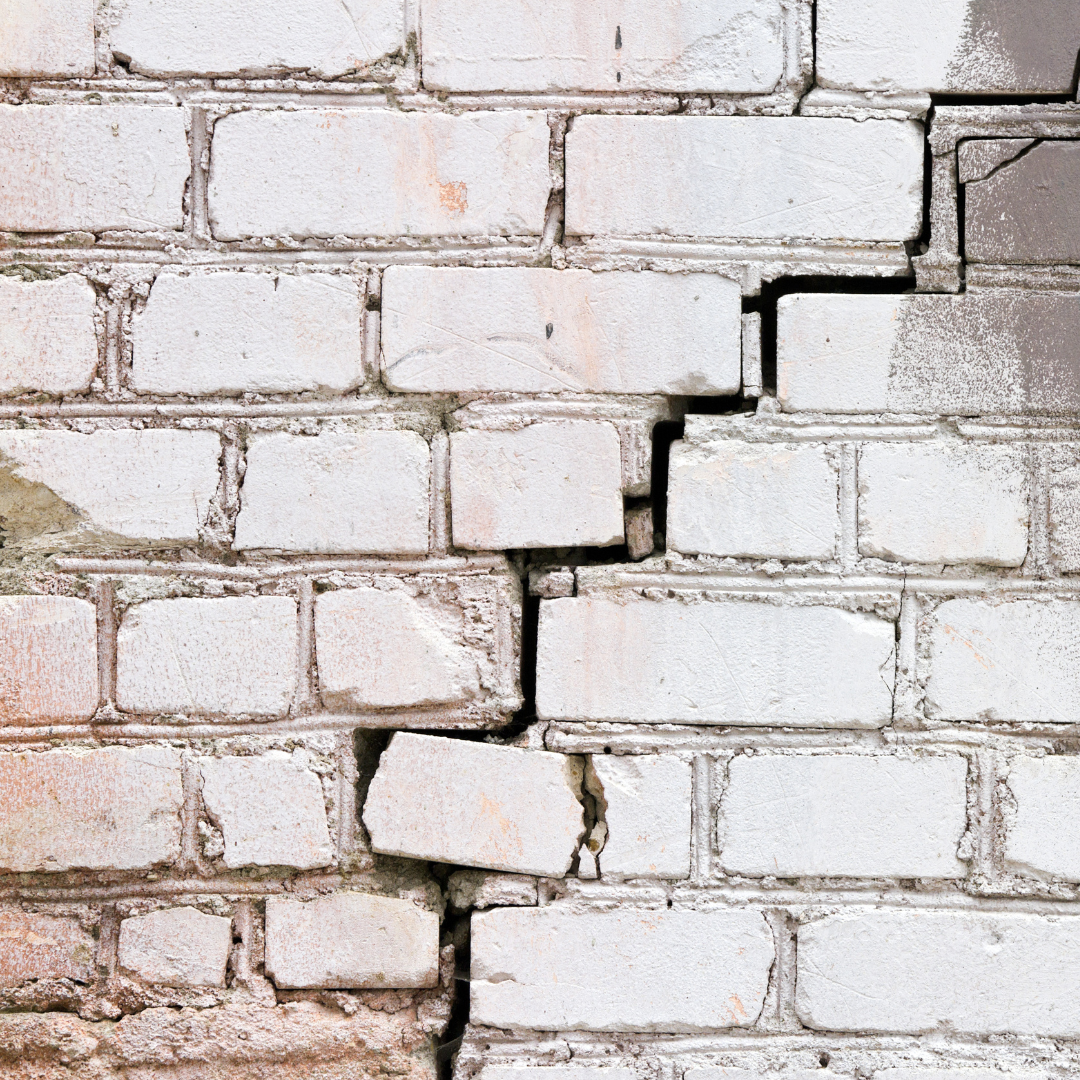
Persistent moisture also affects soil stability, increasing the risk of settling or subsidence that may cause cracks and structural movement.
Preventative measures include grading land to slope away from foundations, maintaining gutters and downpipes, and checking drainage systems regularly. For expert evaluation and guidance, TCBPI offers combined building and pest inspections to identify early signs of moisture-related damage.
Cyclones and Storms: Preparing for Severe Weather
Cyclones and monsoonal storms place extreme stress on homes in Townsville. Roofs, windows, verandas, and outdoor structures are particularly vulnerable to wind and debris.
Choosing cyclone-rated materials and securing fastenings can make a significant difference in how well a home withstands severe weather. Regular roof inspections, trimming overhanging trees, and securing outdoor items before storms are practical actions that protect both property and occupants.
TCBPI’s building inspection services can identify vulnerable areas of your home before severe weather strikes.
Termites and Pests
Warm and humid conditions create ideal environments for termites and other pests. These insects can compromise timber, framing, and flooring before their presence is even noticed.
Routine pest inspections, treating new builds with pre-emptive termite protection, and addressing moisture issues promptly are essential strategies to prevent infestations. TCBPI provides comprehensive pest control services to safeguard homes from termites, cockroaches, ants, and other pests.
Ignoring these measures can result in extensive repairs and reduce long-term property value.
Preventative Strategies for a Resilient Home
Proactive measures are the most effective way to manage Townsville’s climate challenges. Annual building and pest inspections detect problems early, before they escalate into costly repairs.
Using materials designed for tropical conditions, maintaining proper ventilation, and controlling moisture inside and outside the home helps prevent deterioration. Landscaping designed to improve drainage, ensuring water flows away from foundations, further protects structural integrity.
Small, consistent maintenance actions combined with expert inspections are key to preserving your home against the unique risks of the region.
Conclusion
Townsville’s tropical climate affects homes in multiple ways, from heat and humidity to heavy rainfall, cyclones, and termite activity.
These environmental pressures can quietly undermine structural integrity, increase maintenance costs, and diminish property value. Awareness of these challenges, combined with climate-appropriate construction and proactive maintenance, empowers homeowners to protect their investment.
Regular inspections, vigilant upkeep, and strategic use of materials designed for tropical conditions are essential to ensure your home remains safe, resilient, and durable in the face of Townsville’s unique climate.
Protect your home today!
Protect your home and investment today by booking a professional inspection or pest service with TCBPI. Our expert inspectors provide thorough building and pest inspections, pest control, and advice tailored to Townsville’s tropical climate.
- Phone: 07 4774 2323
- Email: info@tcbpi.com.au
Act now to safeguard your property against the challenges of Townsville’s tropical environment. Early action can save thousands in repairs and protect the long-term value of your home.
Frequently Asked Questions
How does Townsville’s tropical climate affect building materials?
Townsville’s high heat, humidity, and salt-laden air can cause timber to warp or rot, metal fixtures and roofing to corrode, and concrete or masonry to develop cracks over time. Regular inspections help identify early signs of damage.
Are older homes at greater risk from climate damage?
Yes. Older homes may have been constructed using materials not suited for tropical conditions or may have deteriorated over time. Upgrading timber, using corrosion-resistant metals, and addressing drainage issues can significantly reduce risk.
How often should I have my home inspected?
At a minimum, homes should be inspected annually, and always after cyclones, severe storms, or prolonged heavy rainfall. Inspections help detect issues like rising damp, foundation movement, or pest infestations before they become costly problems.
What steps can I take to prevent termite damage?
Termites thrive in warm, humid conditions. Preventative measures include routine pest inspections, pre-treatment of new builds, removing timber debris around the house, and controlling moisture. TCBPI offers specialised pest control services to reduce termite risk.
Are metal roofs vulnerable in Townsville?
Yes, metal roofs can corrode due to constant humidity and salt in the air. Regular inspections, cleaning gutters, and checking fastenings can prolong roof life. Consider using corrosion-resistant roofing materials for replacements or upgrades.
How does heavy rainfall affect foundations?
Prolonged or intense rain can lead to rising damp, soil erosion, or waterlogging. This may cause settling or subsidence, resulting in cracks in walls or uneven floors. Ensuring proper drainage, grading land away from foundations, and maintaining gutters are key preventative steps.
What parts of the home are most vulnerable during cyclones and storms?
Roofs, windows, verandas, doors, and outdoor structures are most at risk. Using cyclone-rated materials, securing outdoor items, and trimming overhanging trees can reduce damage. A building inspection can identify vulnerable areas.
Can climate-related damage affect my insurance coverage?
Yes. Insurance claims may be denied if damage is due to neglect or failure to maintain the property. Regular inspections and documented maintenance can help ensure coverage for water, storm, or termite damage.
How can I improve ventilation and moisture control in my home?
Installing vents in roof spaces, using exhaust fans in bathrooms and kitchens, and ensuring windows and doors allow cross-ventilation can reduce humidity. Proper ventilation slows timber decay, prevents mould, and lowers termite risk.
Should I consider climate-appropriate materials when renovating or building?
Absolutely. Using treated timber, corrosion-resistant metals, cyclone-rated materials, and moisture-resistant finishes increases the durability of your home in Townsville’s tropical climate. Expert advice is available through TCBPI’s building inspections service.